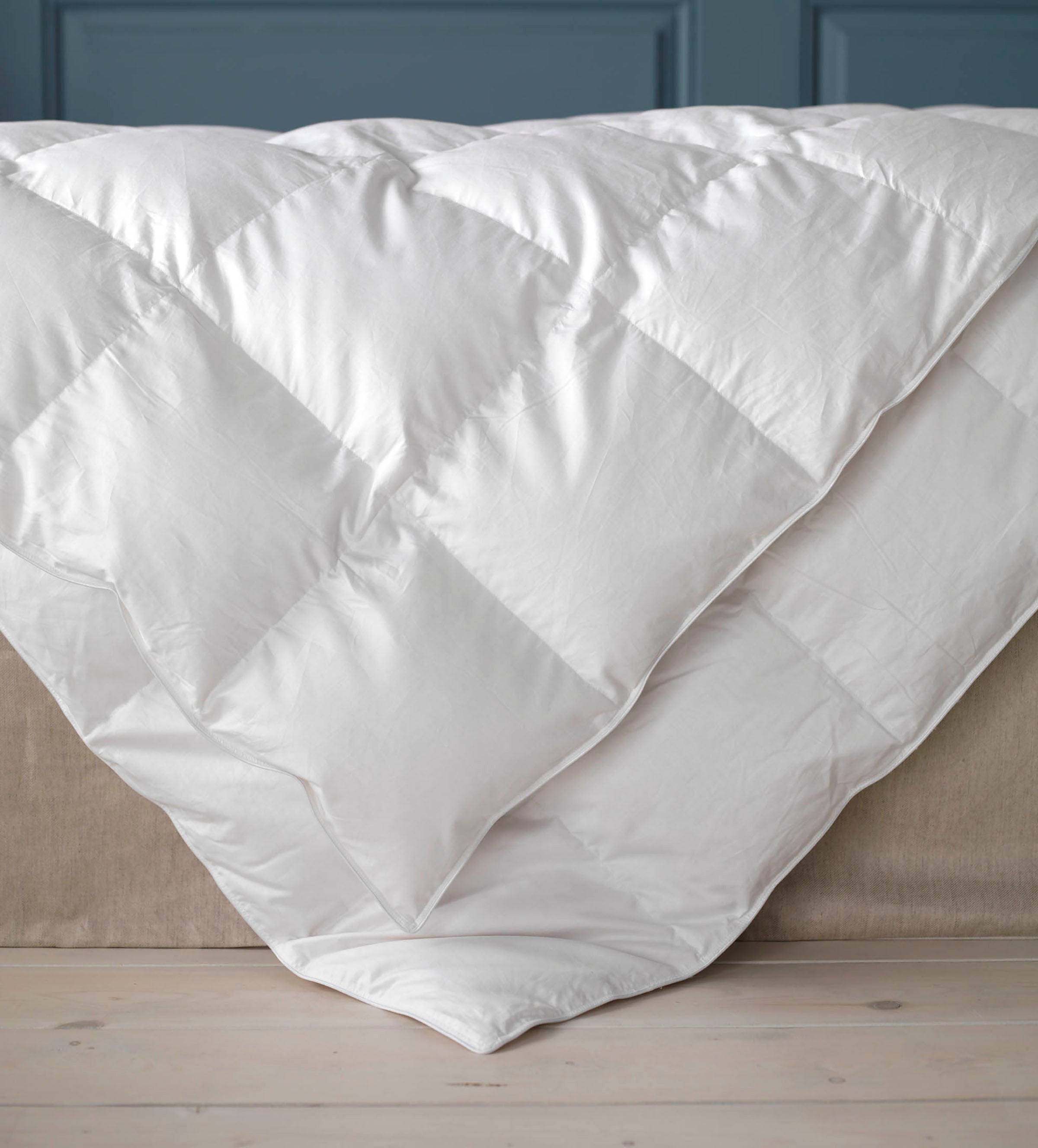
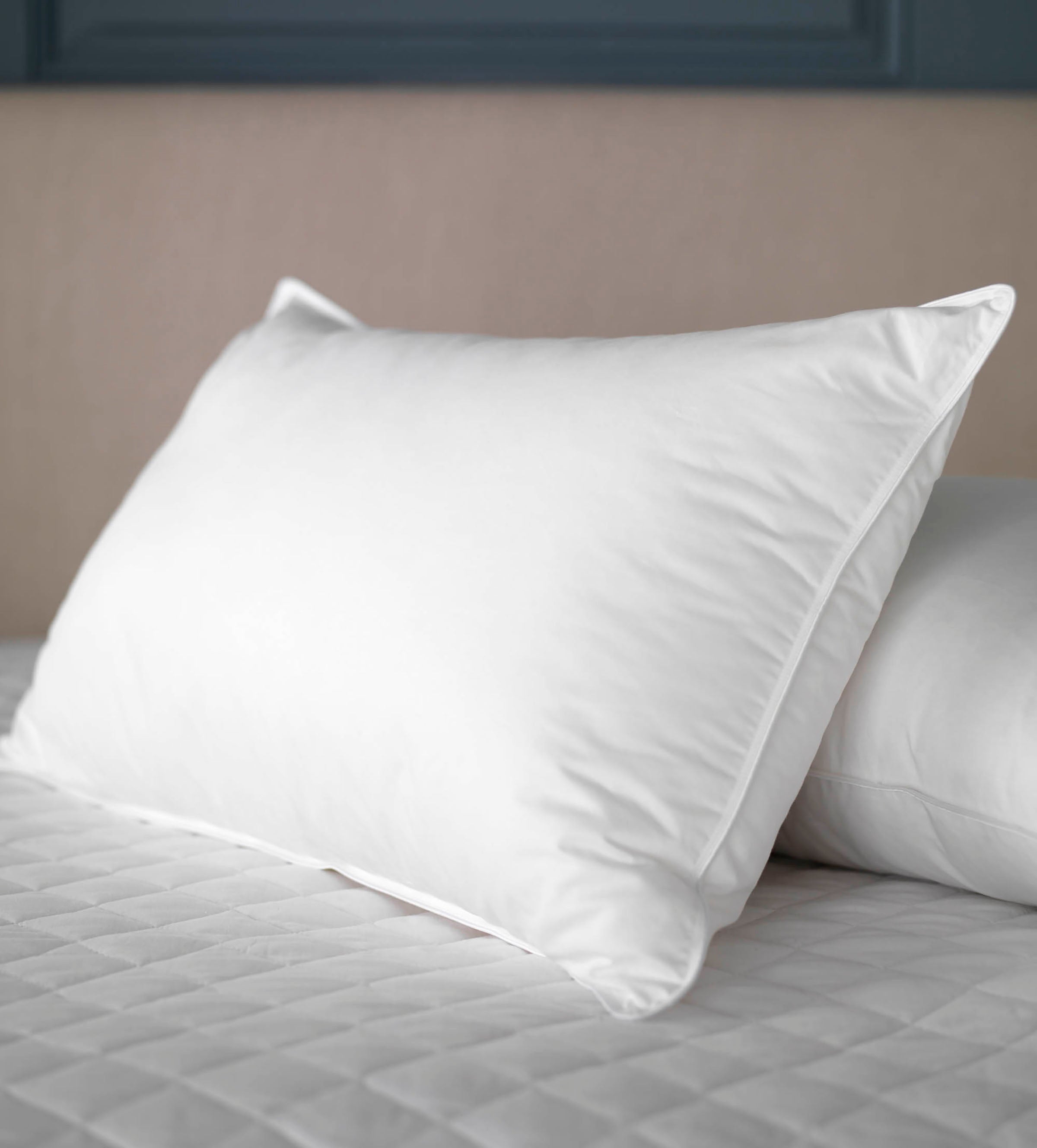
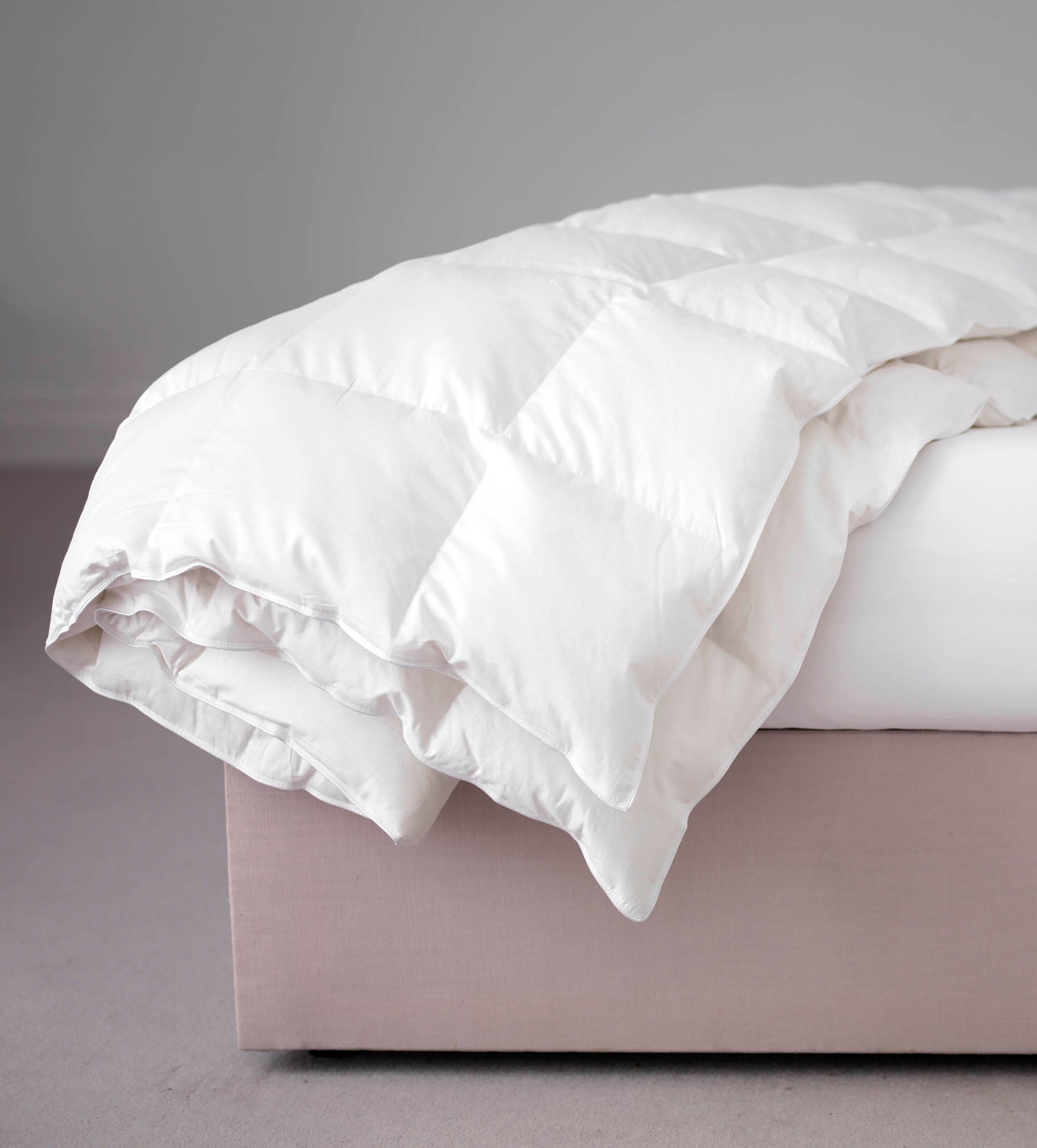
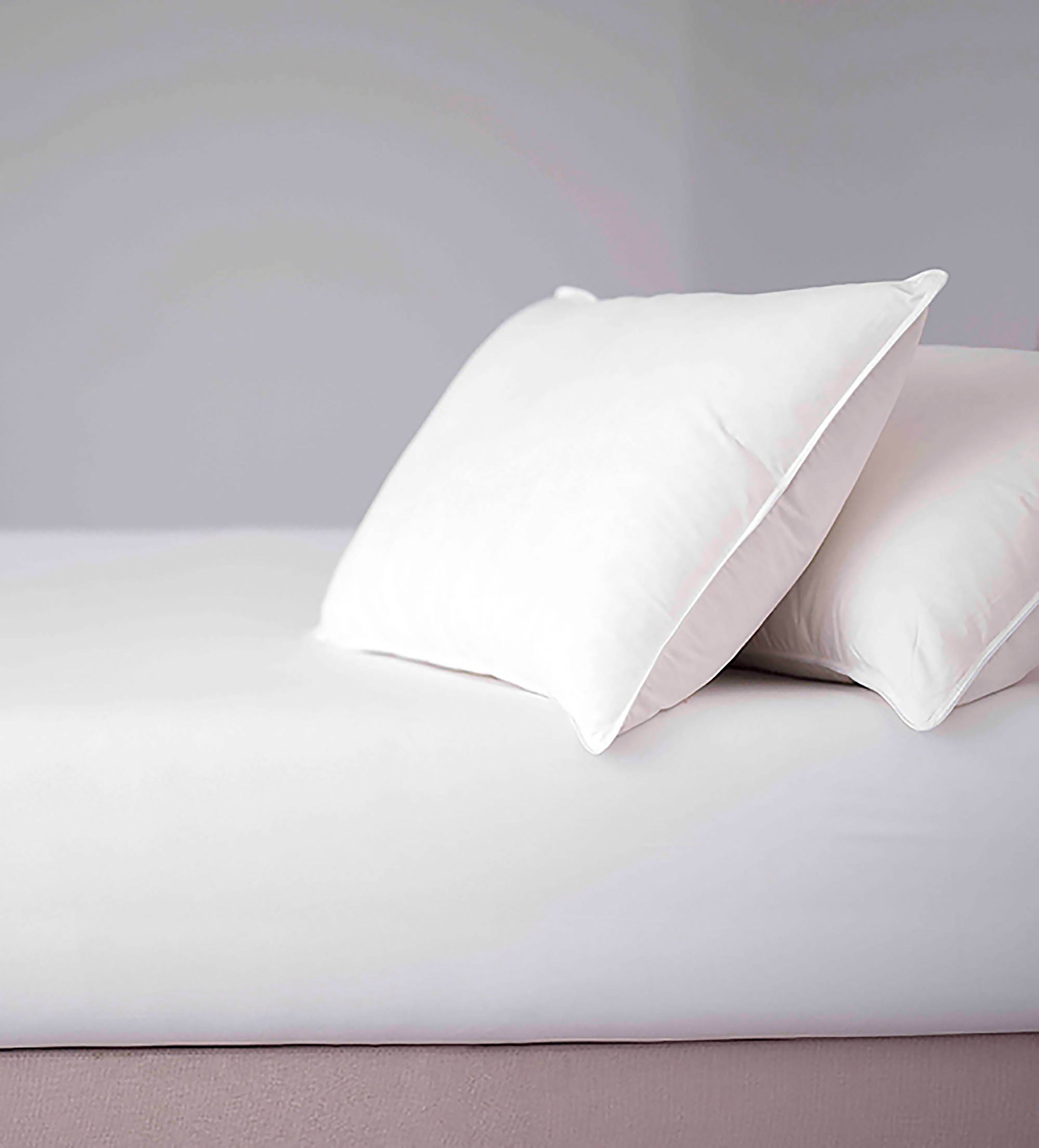
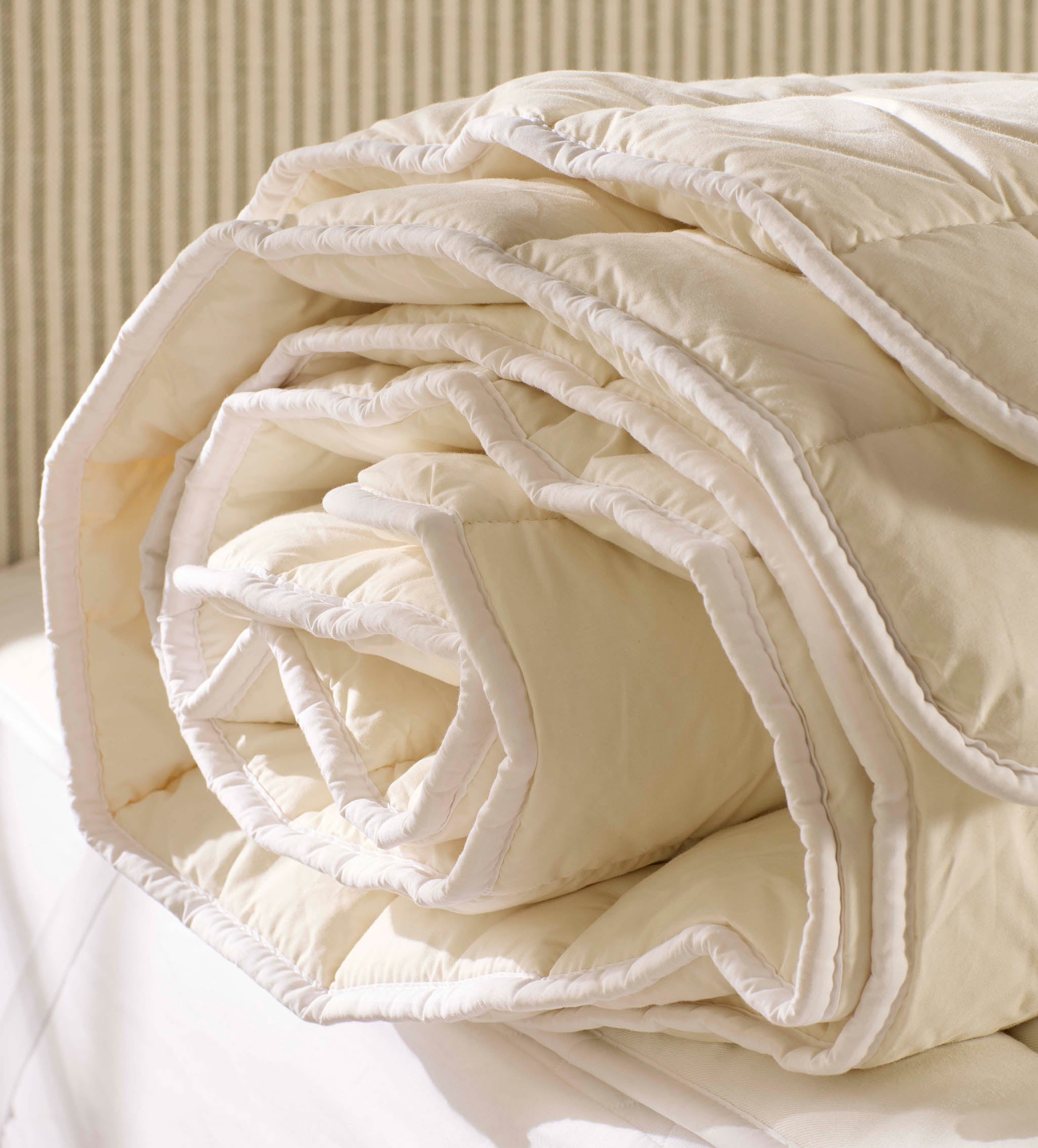
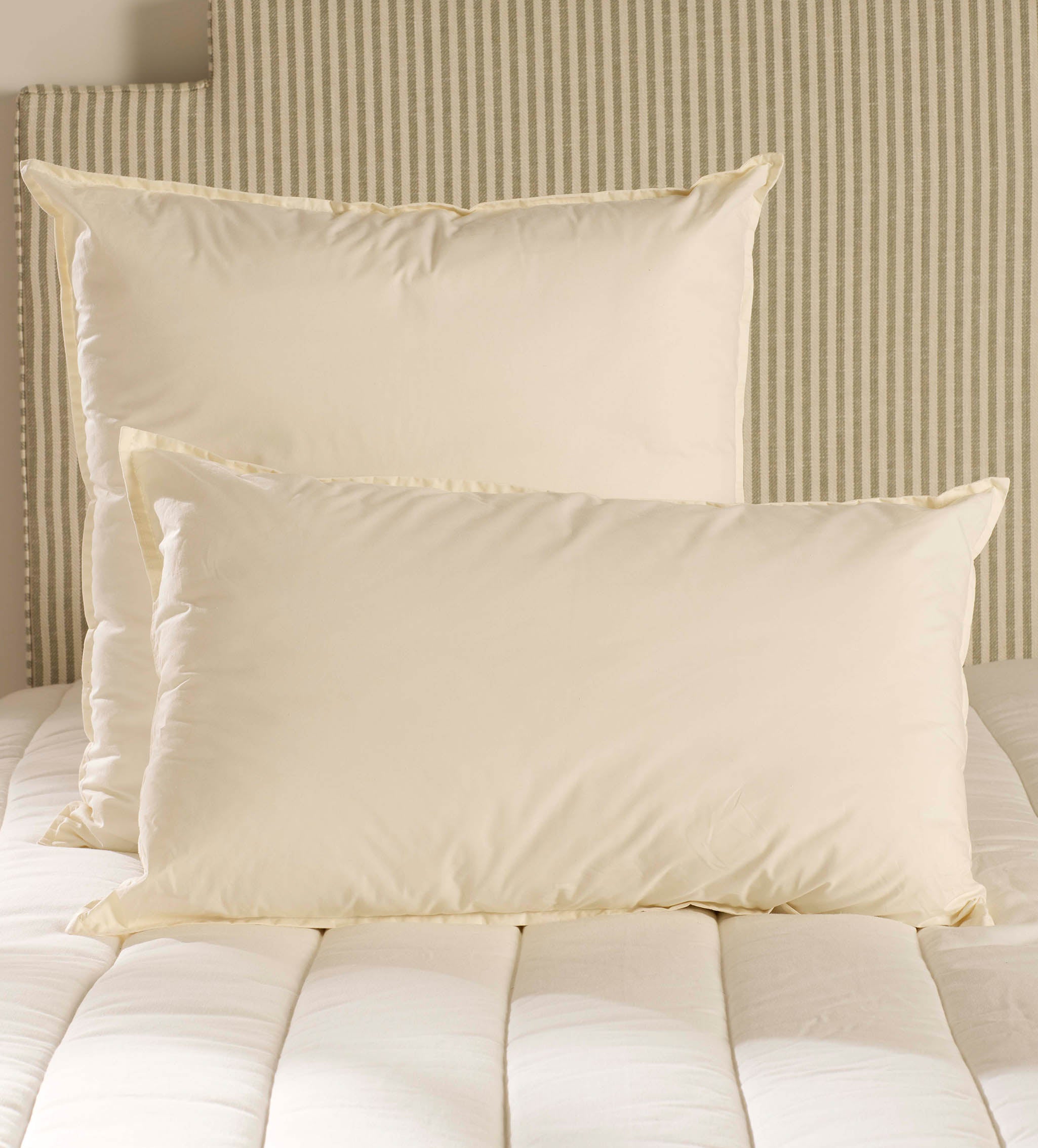
There’s nothing better than sinking into a freshly made bed. But even the most snug bed needs a little TLC now and then. Our duvets, pillows, and mattress toppers work hard every night to provide us with a comfortable night’s sleep, collecting everything from body oils to dust and moisture.
At Secret Linen Store, we believe fresh, clean bedding is the secret to a peaceful night’s sleep. To help keep your bedding in tip-top shape, we’ve put together a handy guide to caring for your duvets, pillows, and mattress toppers. With the right care routine, your bedding can stay plump, clean, and oh-so-comfy for years to come.
How often should I wash my duvet?
Keeping your bed feeling fresh isn’t just about a crisp duvet cover and that ‘newly-washed’ scent. Our duvets only need to be washed once or twice a year, depending on how warm you sleep.
To keep your duvet hygienic between washes, give it a quick shake and an airing, either by opening your window or hanging it up on your washing line.
If you spill a cuppa on your duvet, there’s no need to throw it in the wash. It’s better to spot-clean the patch with a damp cloth and some warm, soapy water rather than washing the whole thing. Make sure the area is fully dry before you pop on your duvet cover and use it again, either by giving it a once-over with a hair dryer on a cool setting or allowing it to dry naturally outside.
Your duvet should be replaced every 5 years, so regular maintenance is a must. Take a look at our guide on when to replace your bedding for more advice on keeping your bed at its best.
How often should I wash my pillow?
A good pillow will cushion your head for about 2 years before it’s time to say goodbye, so it’s important to care for it so you can get the most out of it. You should wash your pillow every 3 to 6 months to maintain hygiene and remove dust mites, sweat, and oils.
To keep your pillow feeling fabulous between washes, use a pillow protector to shield it from sweat and oils. Regular fluffing to redistribute the filling, airing, and placing your pillows outside in direct sunlight for a few hours are also great for maintaining shape, drying out moisture, and naturally deodorising your pillows.
How often should I wash my mattress topper?
You should wash your mattress topper every 3 to 6 months to maintain hygiene. If you’re using a mattress protector alongside your topper, which we highly recommend to protect against stains, spills, and allergens, you may only need to wash your topper every six months, while cleaning your protector more often.

How to Clean Feather and Down-Filled Bedding
Caring for natural duvet and pillow fillings, such as duck or goose down, begins when they arrive.
We recommend airing your duvet and pillow for at least 24 hours before use. As the filling is natural, there may be a slight odour on arrival, which will quickly disappear when airing.
How to clean a feather and down duvet
When you come to wash your feather or down duvet, it’s always best to take it to a specialist cleaner. Although you can wash it yourself at home, provided your machine is large enough. Your duvet should only take up half of your drum when dry, and an extra 10% when wet. This is to make sure there is enough room for your duvet to move around. Typically, any king-sized duvet or larger is too big for a domestic washing machine and will need to be taken to your local laundrette to use their large-capacity machines.
Wash on a gentle cycle at 40 degrees, and tumble dry on a low heat until thoroughly dry.
Make sure you’re following those washing instructions to the letter, as using a temperature too high for washing or drying will damage the filling. Don't worry, we've popped all the instructions on the labels too.
How to clean feather and down pillows
Wash your feather and down pillows on a gentle wash cycle to prevent causing any damage to the filling. While they can be washed in a washing machine, they can get very heavy, so we recommend taking them to a professional laundrette, as the drum needs to be large enough to handle a heavy load.
Your pillows need to be completely dry before using them again, or you may cause damage to the filling. Air them out for a day or so until they’re completely dry, then pop them back on your bed.
How to dry a feather and down duvet
Even when a feather or down duvet feels dry to the touch, moisture can remain in the fibres. It is important to ensure the core of your item is fully dried, allowing the fibres to separate and re-loft. Natural products should not be left damp at any stage of the laundering process, as this can cause the down clusters to decompose.
Once a feather- or down-filled item is damaged like this, you may find an unwanted smell that's hard to get rid of. If drying in a dryer, we always recommend checking the down clusters inside to ensure they feel fully dried, preventing clumping or unpleasant odours.
If you choose to wash your bedding yourself, drying on a sunny day and a washing line will be fine, but try to hang the duvet in the shade to air. Direct sunlight tends to make the down or feathers sweat, which could also produce an unpleasant smell. Airing or drying in a shady area or a well-ventilated room is always best.
Want to learn more about our natural filling duvets? See our duck and goose down comparison guide.

How to Clean Wool Bedding
The good news is that dirt won’t get right into the fibres of wool; it sits on top, making it super easy to clean and remove dust, so washing your wool duvet or pillow is a rare occasion indeed.
You can spot-clean to remove small marks with a damp cloth.
How to clean a wool duvets and pillows
We strongly recommend taking your wool duvets and pillows to a professional dry cleaner to help prevent damage to the delicate wool fibres.
Make sure you follow these tips:
- Specify to the dry cleaners that a wool wash is needed. Trichloroethyle is not recommended.
- For between washes or small spills, spot clean using a damp cloth and mild detergent.

How to Clean Synthetic Bedding
Synthetic bedding is generally very easy to clean. Depending on the size of your bedding, you can wash it at home in your domestic washing machine.
To make sure your washing machine is large enough to wash your bedding, leave enough room for your items to move freely. Aim to fill the drum no more than halfway; any more could damage your bedding or prevent the detergent from circulating properly, leaving you with a musty-smelling bed.
How to clean a synthetic duvet
To wash your synthetic duvet, just follow these steps.
- Machine wash your synthetic duvet at 40 degrees, or if it's too large, take it to your local laundrette.
- You can dry your hollow fibre duvet in a tumble dryer on low heat, or outside in the breeze.
- If you choose the tumble dryer, take it out regularly and give it a shake to prevent clumping.
Most importantly, please don’t dry clean these items, as this could cause damage. You can, however, take them to a local expert for washing; the machines might be a little bigger than yours.
How to clean a synthetic pillow
Synthetic pillows are so easy to clean. Just wash them at 40 degrees and tumble dry on a low heat, taking them out and giving them a shake now and again. It’s a good idea to pop in a couple of pillows at a time, or add some pillows to the drum, to make sure the load is balanced.

How to Clean a Mattress Topper
Keeping your mattress topper as comfy and clean as the day you bought it is similar to caring for your mattress.
You should take it off regularly every 10-14 days and give it a shake, just to freshen it up and re-loft the fillings, redistributing them evenly in each of their little pockets. Rotating your mattress regularly will also help to keep the fillings even.
To help protect your mattress topper, use a mattress protector to prevent spills, stains, and general wear and tear.
If any spills do make their way onto your topper, spot-clean with hot, soapy water to remove surface marks.
Remember, though, that like when caring for your duvets and pillows, you should dry your toppers thoroughly and never leave them wet.
Ready for a good night’s sleep?
After giving your bedding the TLC it deserves, now comes the best part - slipping into a bed that feels fresh, light, and comfy.
Looking for guidance on how to care for your bed linen? Read our linen bedding and cotton care guides to keep your bedding sets looking and feeling their best. Still tossing and turning about what fabric is best for you? Read our cotton vs. linen bedding guide.
Shop Duvets & Pillows