Masters of FLAX FIBRE™

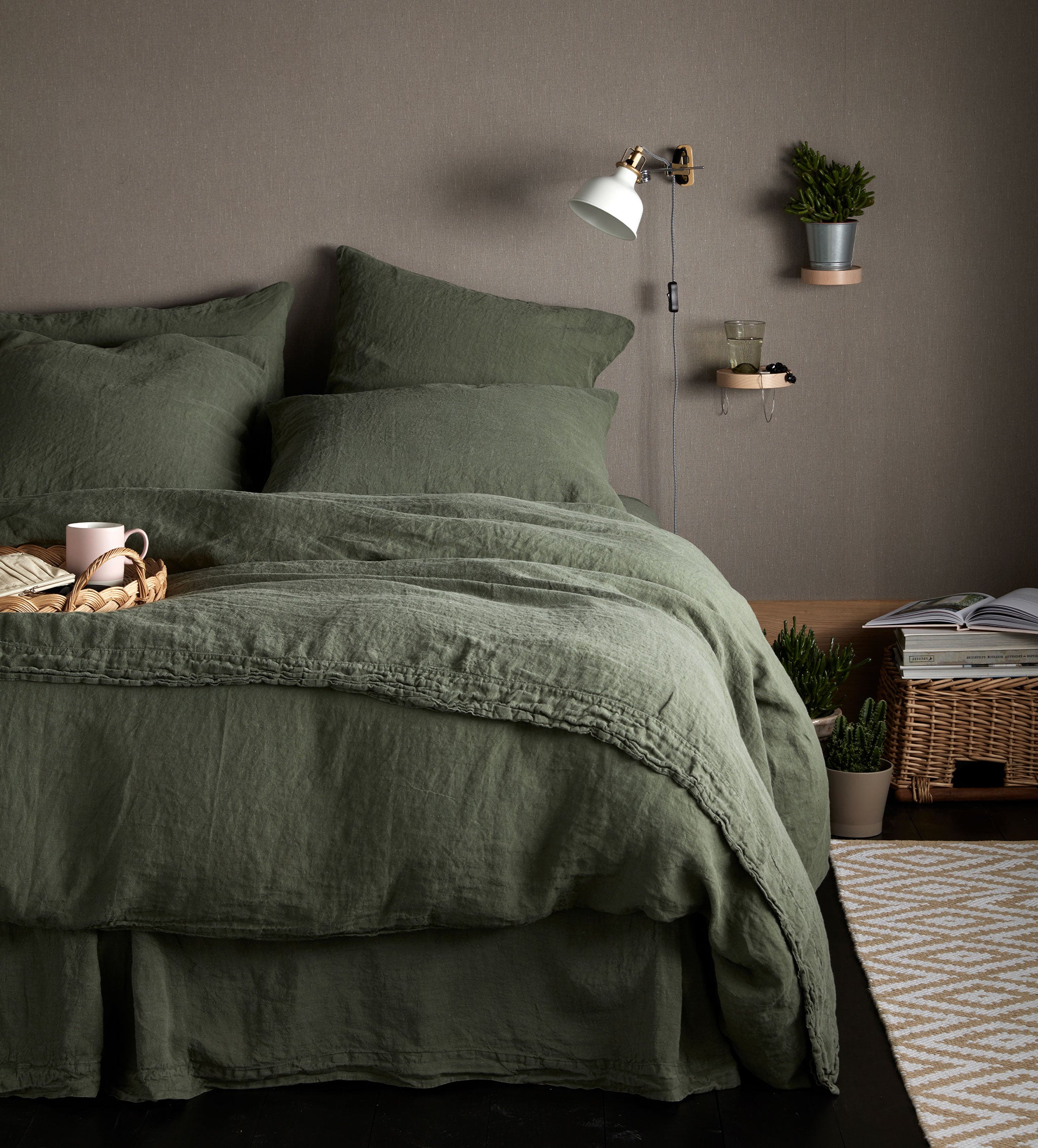
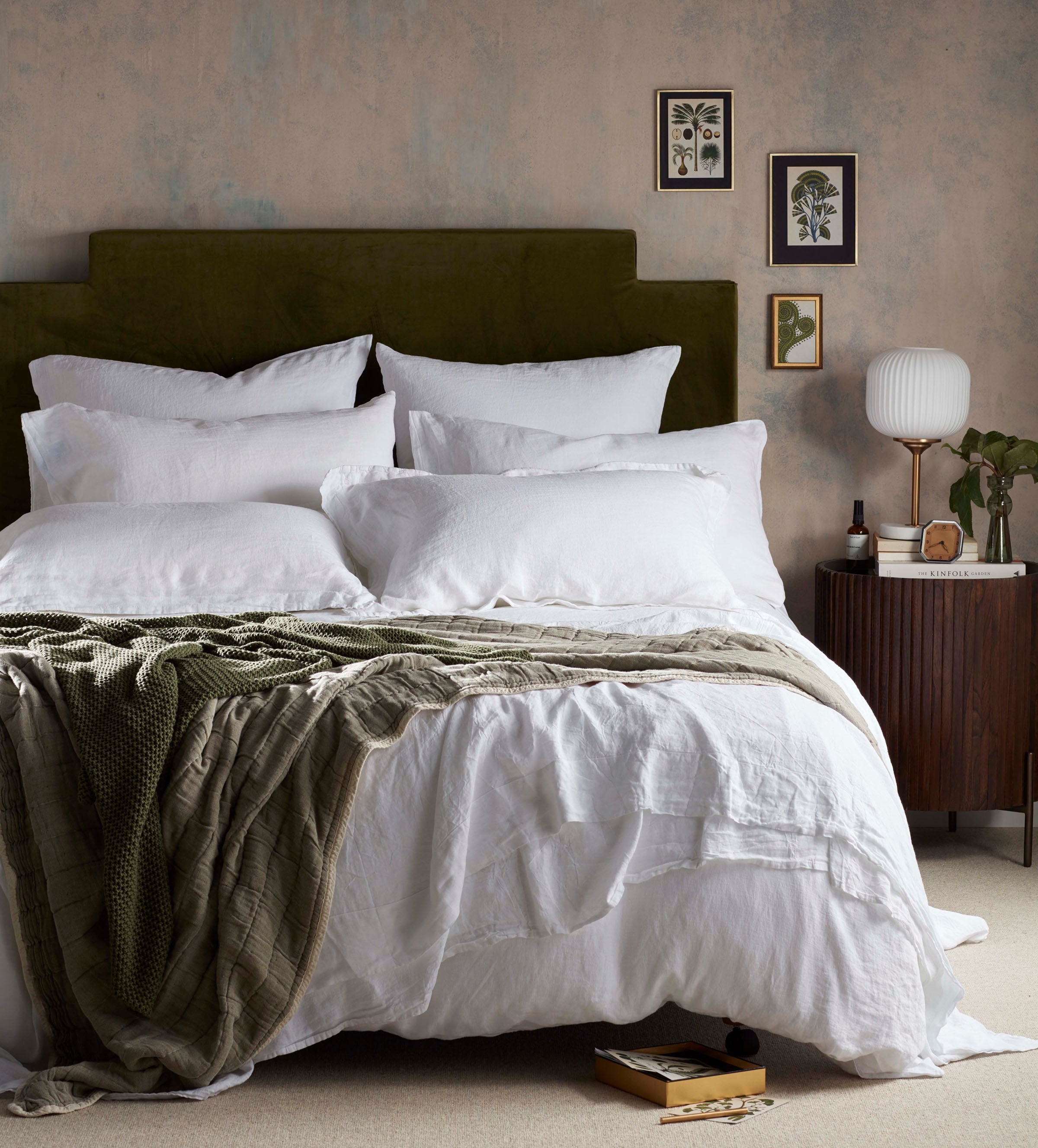
Linen is where our story began, and it’s still at the heart of what we do today. We love it because it feels effortlessly natural, it gets softer with every wash, and it carries a story that starts in the fields of Europe and ends on your bed.
All of our linen is now proudlyMasters of FLAX FIBRE™ certified (formerly European Flax™). This means the flax that becomes your sheets is grown with care in France, Belgium and the Netherlands, and can be traced all the way from fibre to finished fabric.
Origin and Traceability
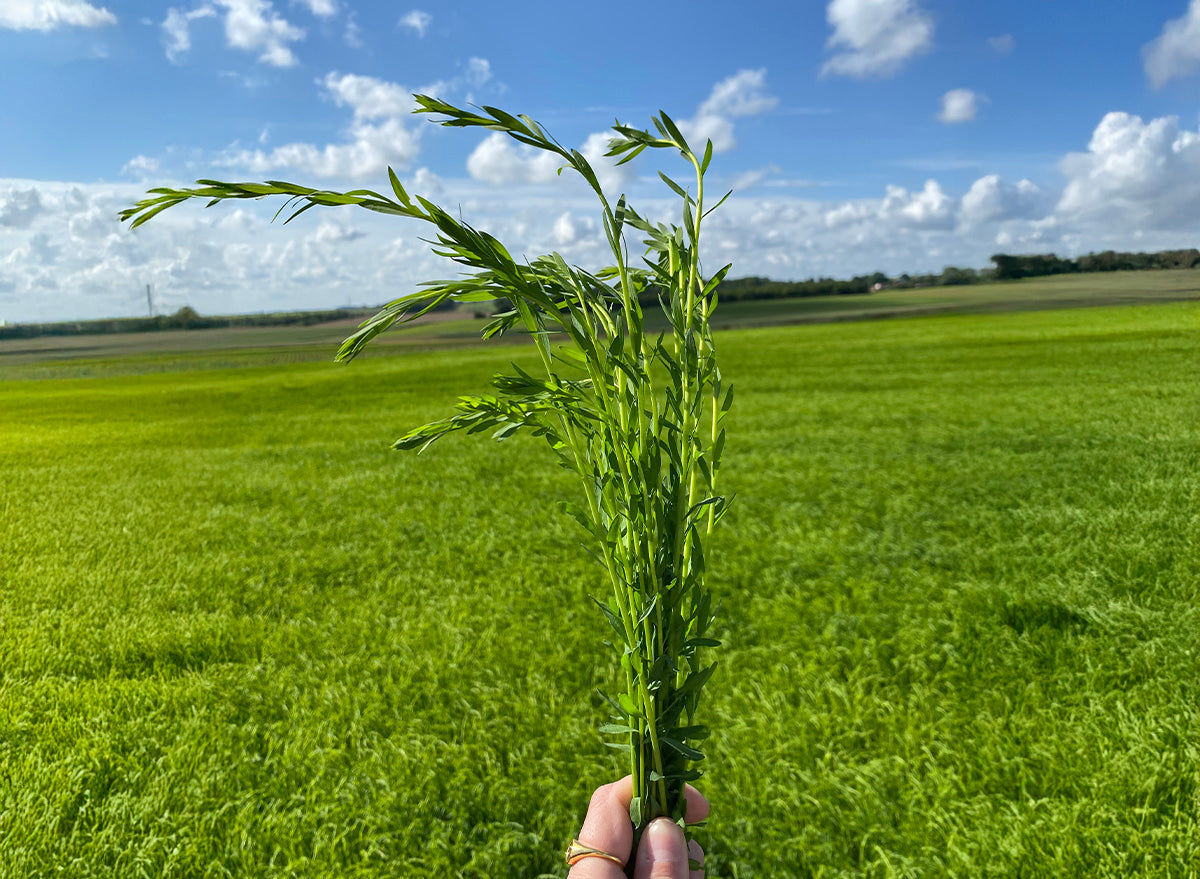
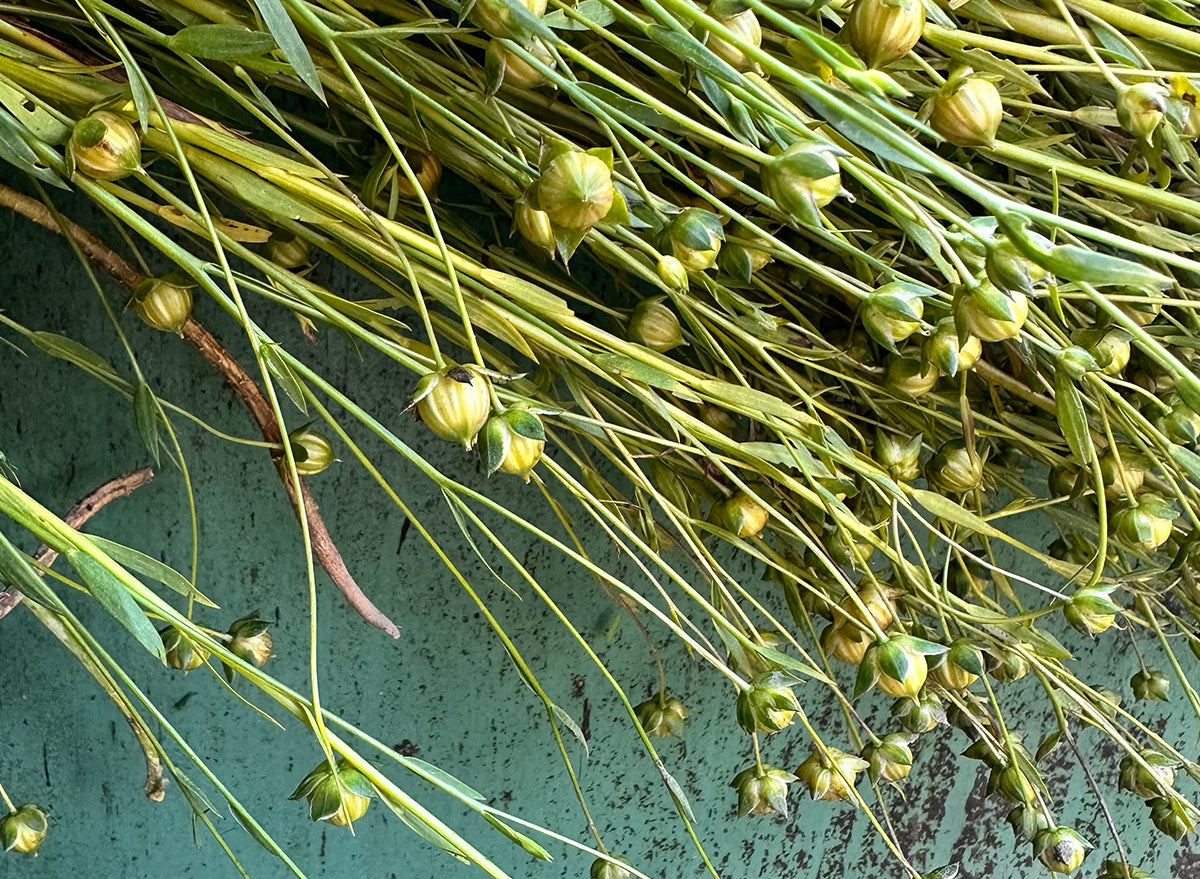
Our linen starts with flax grown in Normandy, Hauts-de-France, Île-de-France, Belgium and the Netherlands. These regions produce around three-quarters of the world’s long flax fibres. Masters of FLAX FIBRE™ guarantees traceability from fibre to finished product.
Human and Technical Know-How
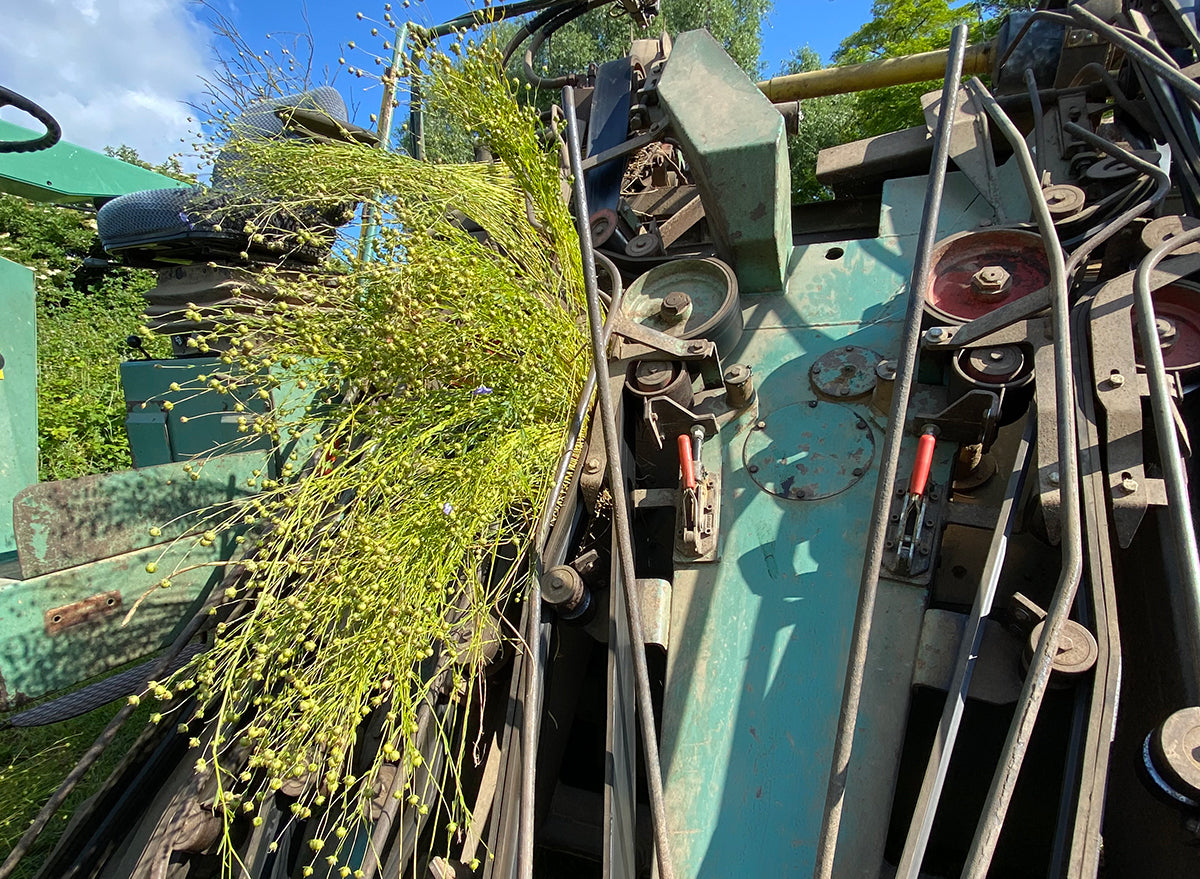
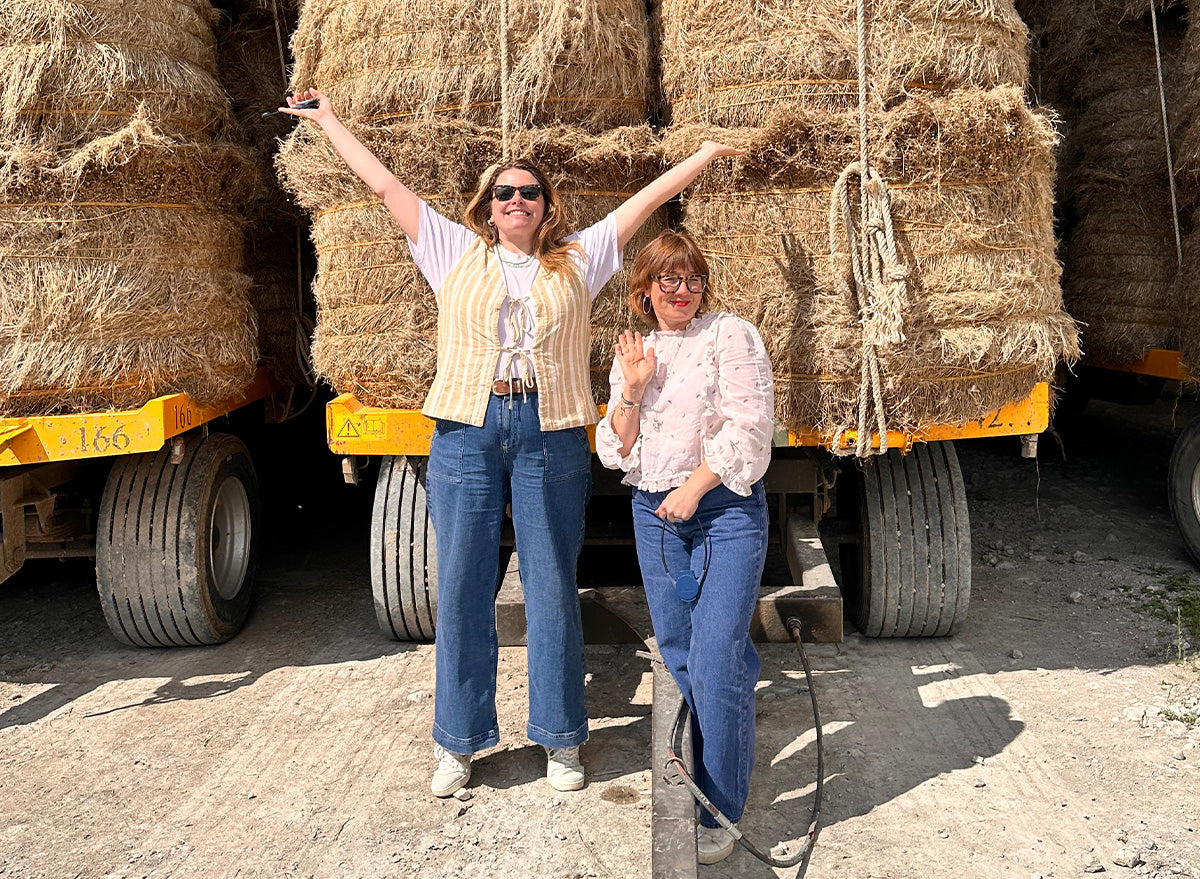
The quality of linen is as much about people as it is about plants. Flax has been grown and processed in Europe for generations, with skills and knowledge carefully handed down and enriched through training. From sowing to harvesting, specialist equipment and close collaboration between farmers and scutchers ensure the best possible fibres are produced.
Integrated Crop Management Practices
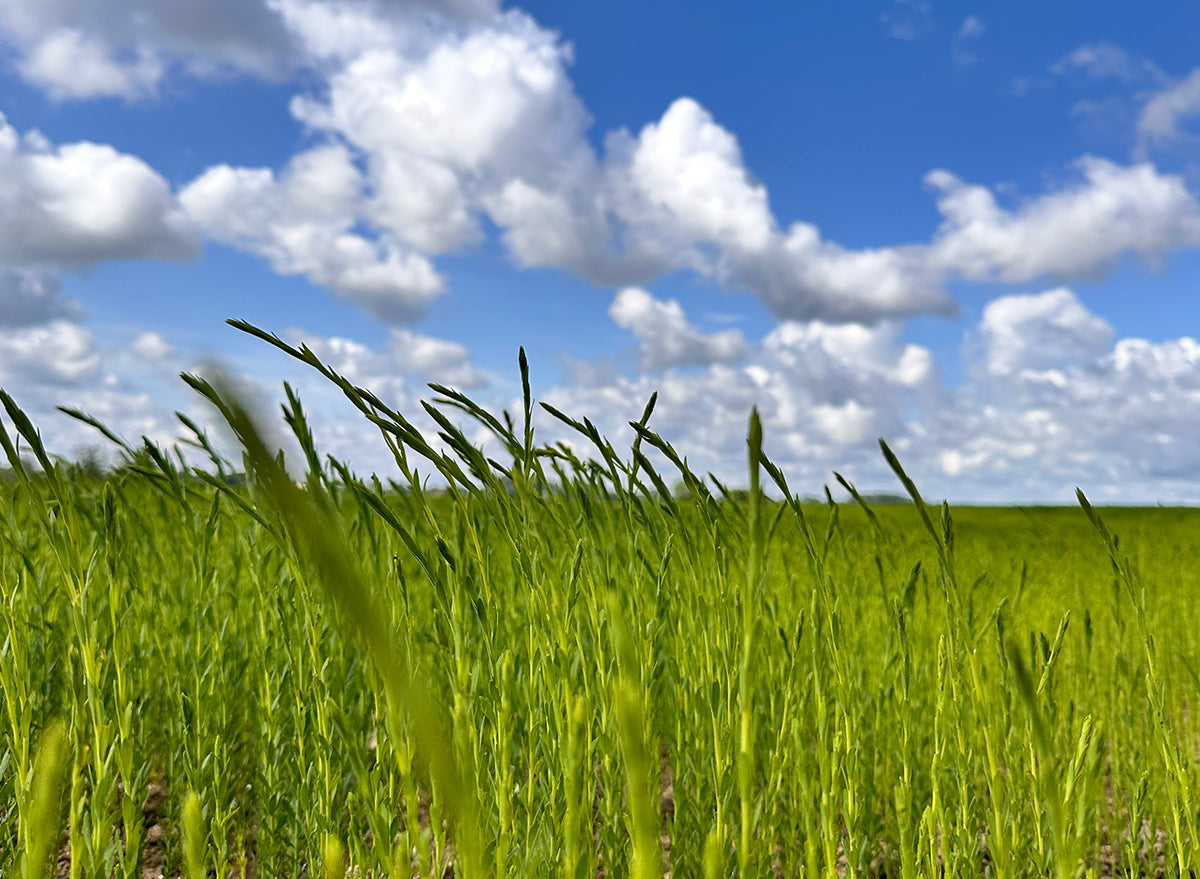
Flax cultivation in Western Europe is shaped by observation and restraint. It is generally grown without irrigation, with inputs such as fertilisers and treatments applied only when needed and in limited amounts. Field retting takes place naturally, relying on rain, dew, sun and wind, without irrigation. Water retting is prohibited. Seeds are certified GMO free, and preference is given to chemical-free treatments. These measured choices help protect both crop health and the environment.
Promoting Biodiversity
Flax is sown in long crop rotations, typically every six or more years on the same land. This practice preserves soil quality, reduces pests and diseases, and encourages biodiversity. Farmers can also take steps such as planting cover crops or creating flower-rich areas to support local ecosystems.
Social Responsibility
Masters of FLAX FIBRE™ certified farms and processors follow European labour laws, ensuring legal employment.
Environmental Impact
The environmental impact of flax fibre is carefully assessed using life cycle data. The industry contributes to the European Commission’s Environmental Footprint programme and is committed to continuous improvement, with research focusing on climate change adaptation and integrated crop protection.
100% Mechanical Transformation
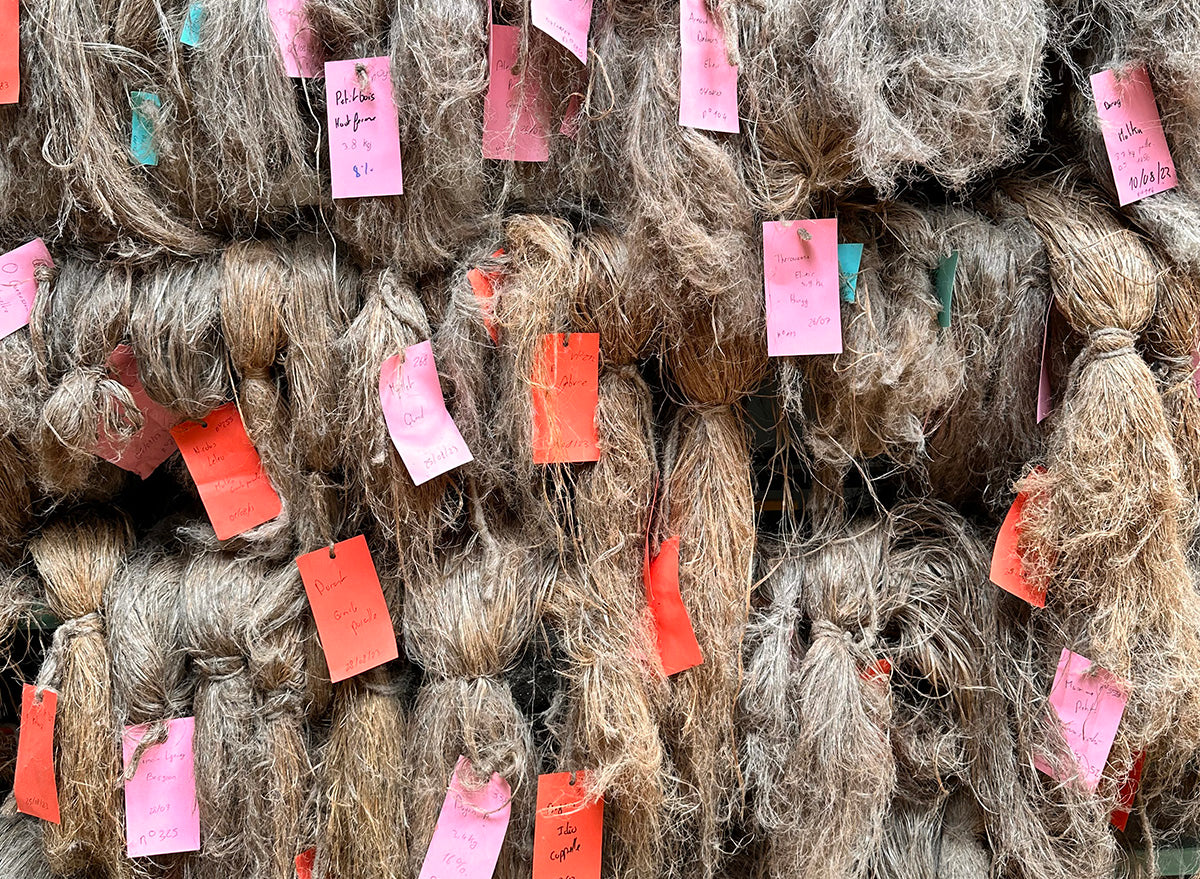
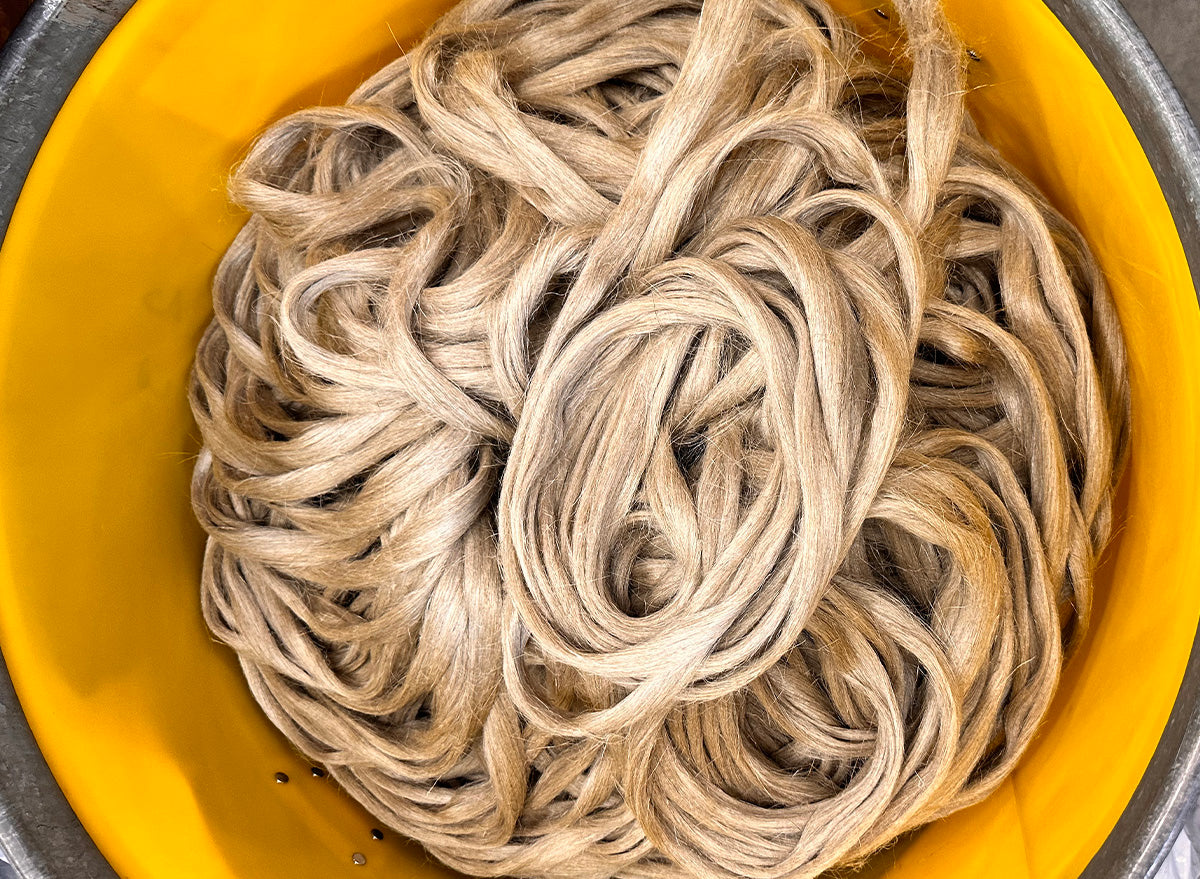
The fibres are extracted entirely by mechanical scutching, without water or solvents.
Total Use of the Plant
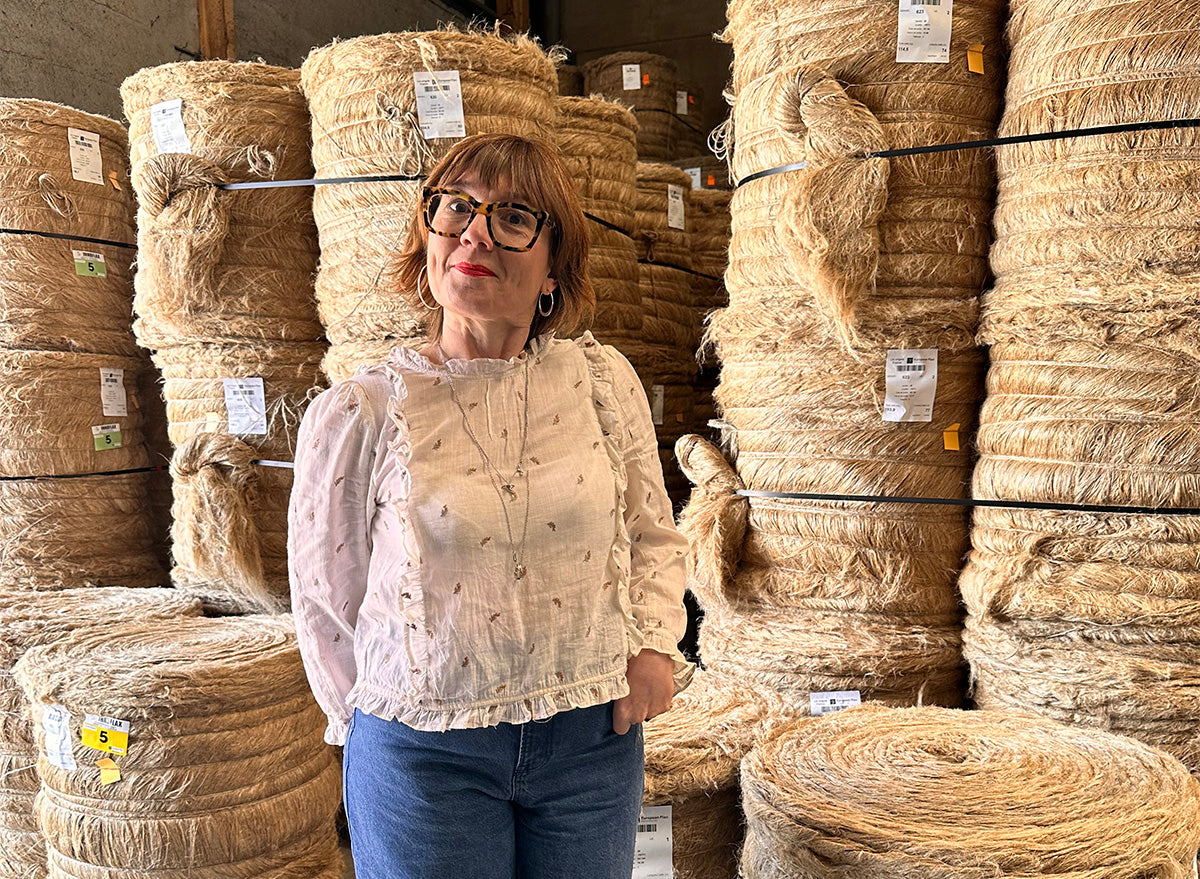
Nothing is wasted. The entire plant is valued, and nothing is wasted: all fibres, long and short, and all products are reused. For example, short fibres and shives find use in paper and composites, and seeds are pressed for oil or used in animal feed.
Why it Matters
For you, this means linen that is beautifully soft, breathable and made to last. For us, it means working with a fibre that reflects craft, traceability and responsibility at every stage.
Our linen tells the story of European fields, skilled hands and thoughtful production, woven into the fabric that you take home.
Explore Our Linen Range