

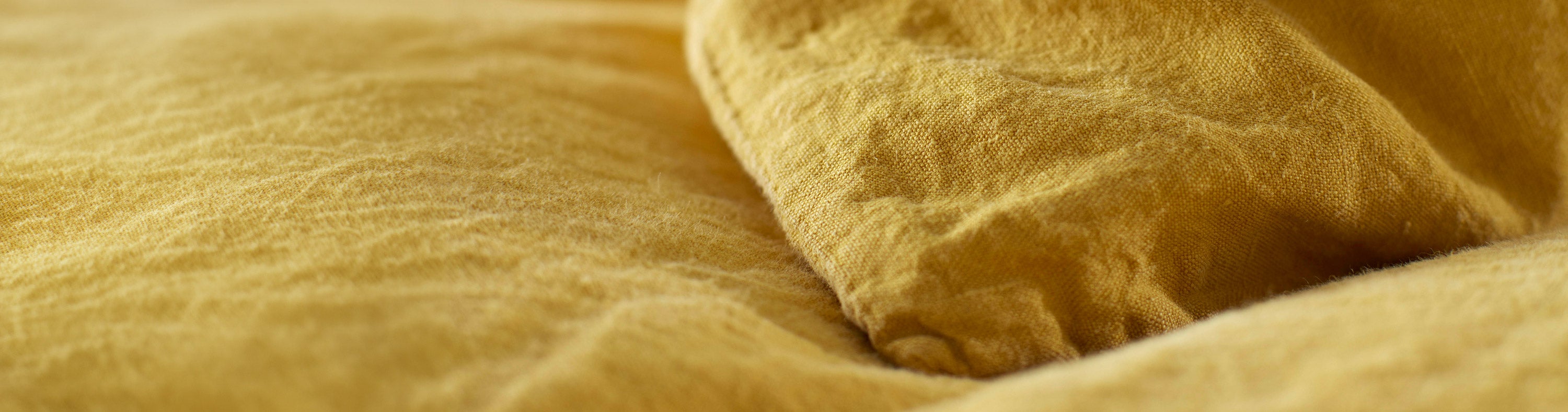
When it comes to keeping a colourful fabric looking its best, there are few more important factors than how you wash it. To gather some tips we spoke to our friends at Wilton, the laundry and fabric care brand built around protecting natural fibres like linen without compromising on fragrance or sustainability.
From common wash-temperature myths to the small daily habits that keep colours vibrant for years, Wilton shares the thinking behind their gentle, plant-based formulas. Here's what they had to say about colour, water, drying and the everyday routines that make all the difference.
How would you describe Wilton's philosophy on colour care, and how does it influence your laundry liquid development?
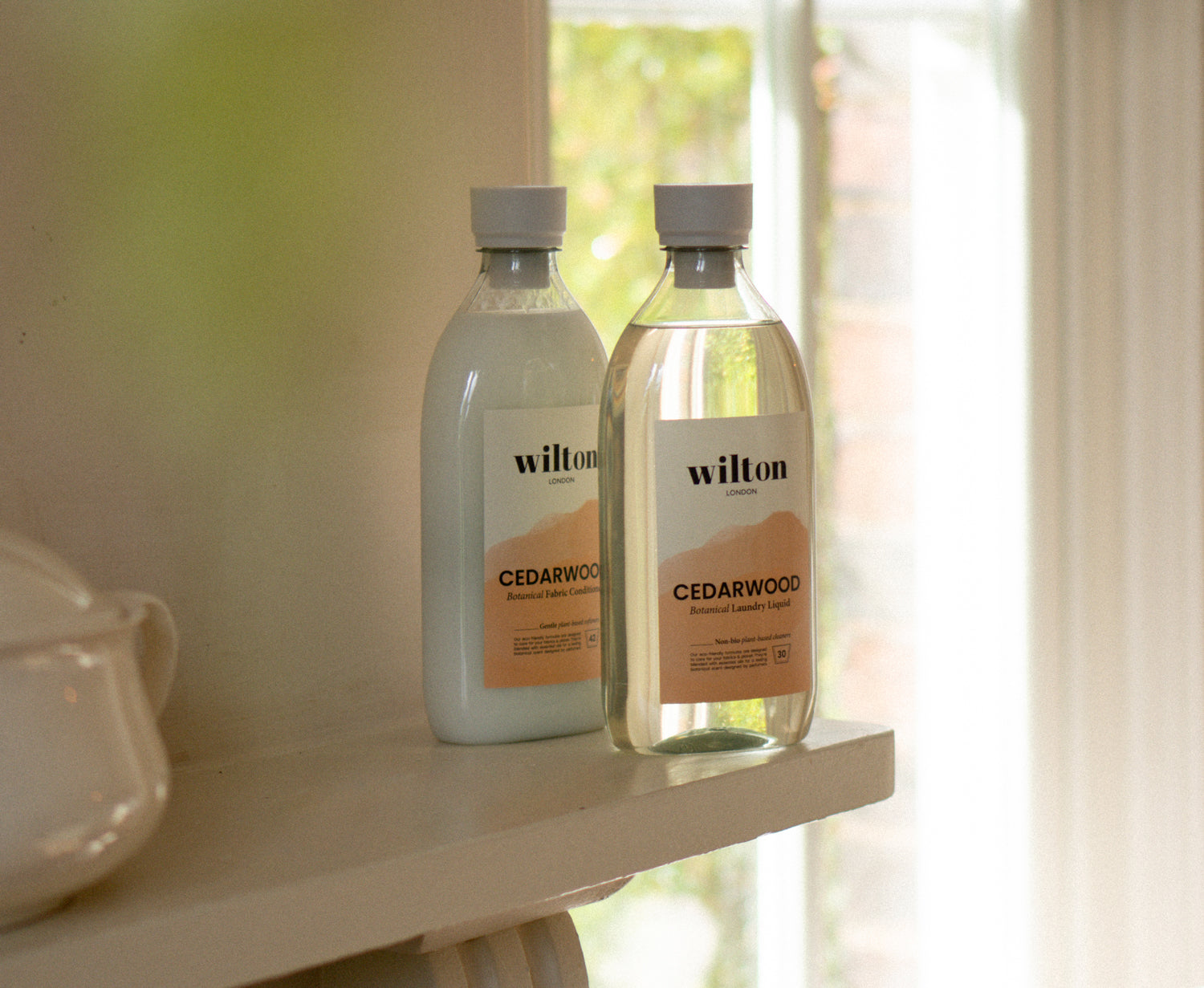
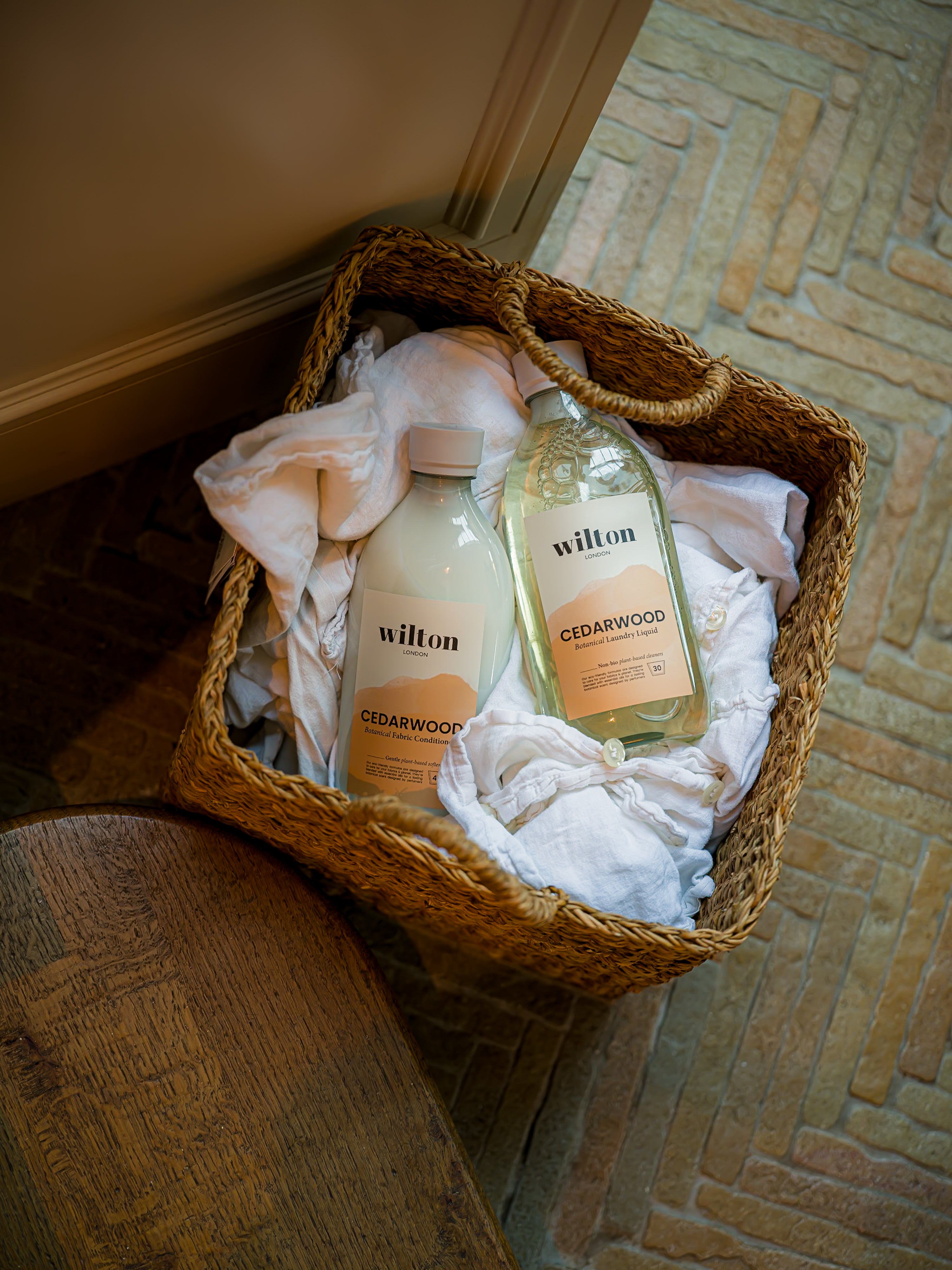
Three things matter to me: that fabrics and colours are protected, the fragrance experience is special and that we achieve it in a way that doesn’t harm our environment. Our fabric conditioners are a good example. The ingredients are proven to help protect and repair natural fibres, linen especially, and looking after the fibres is what keeps the colour looking rich. Think of our Fabric Conditioners as a hair conditioner for your fabrics, it repairs and nourishes your favourite pieces.
What are the biggest myths around wash temperature and colour fading, and what does the science actually say?
The big one is that hotter washes clean better, so fading is just the price you pay. It isn't. Heat loosens the dye and pulls colour out of the fibre, and most everyday loads come perfectly clean at 30 degrees. Wash cool, turn your darks inside out, and use a gentle detergent rather than something harsh. Our laundry liquid is non-bio and free from optical brighteners and dyes, so it cleans without stripping the colour out as it goes.
Do you believe people should sort laundry more than just "lights and darks", and what sorting plan do you use at home?
Lights and darks is ok, but I'd go further without making it a faff. I sort into deep colours, mid colours, lights and whites – and something like a big set of deep coloured bedding I'll wash on its own. Anything really dirty gets washed separately too, so the grime doesn't transfer onto everything else. One rule I always stick to: new deep colours go in on their own, or with complementary colours, for the first wash or two. That's when they're most likely to bleed.

What should people look for in a laundry detergent if they want to protect colours long-term?
Look at what it leaves out, not just what it lifts off. Avoid optical brighteners, which coat the fabric and make colours look grey and washed out over time. Skip dyes and harsh bleaches in your everyday wash. A gentle, plant-based, non-bio formula that rinses clean is what protects colour long term. We built our laundry liquid around exactly that. No brighteners, no dyes, wool safe, and gentle enough to use every day.
How does where you live and your water type affect colour vibrancy, and what can people do about hard or soft water?
Water makes more difference than people think. Hard water carries minerals that bind to fabric and leave it stiff and a little dull. Soft water is gentler on clothes. If you're in a hard water area you'll often need a bit more detergent to get a proper clean, which is normal. The thing I'd really recommend is a good fabric conditioner.
Ours will soften the fabric, help protect the fibres against that mineral harshness, and leaves both the colour and the scent where it should be. It's the easiest way to keep clothes looking and feeling their best, whatever's coming out of your taps.
What are the most common drying mistakes that cause colours to fade or dull, and how can people avoid them?
Two culprits: high heat and direct sun. A hot tumble dryer bakes the fibres, and bright sun acts like a slow bleach on anything coloured. Where I can, I dry indoors with no heat applied. It's gentler on the colour, and it lets the fragrance settle into the fabric rather than getting blasted out by a hot dryer. Slower, yes, but your clothes hold onto their colour and their scent.
What habits separate people who keep their clothes looking new for years from those who see fading quickly?
It's a few small things done consistently. They wash cooler and less often. They turn things inside out. They use the right detergent and a fabric conditioner. And they keep clothes out of direct sun and out of a hot tumble dryer. None of it is hard, but over a few years the difference is obvious.
What's your favourite colour and why?
A deep, dark green. It feels calm and timeless, works with almost everything, and there's something of the botanical world in it that suits us. Quietly confident rather than showy. Very Wilton.
What's your long-term vision for Wilton's role in helping people care for the colour in their textiles more sustainably and effectively?
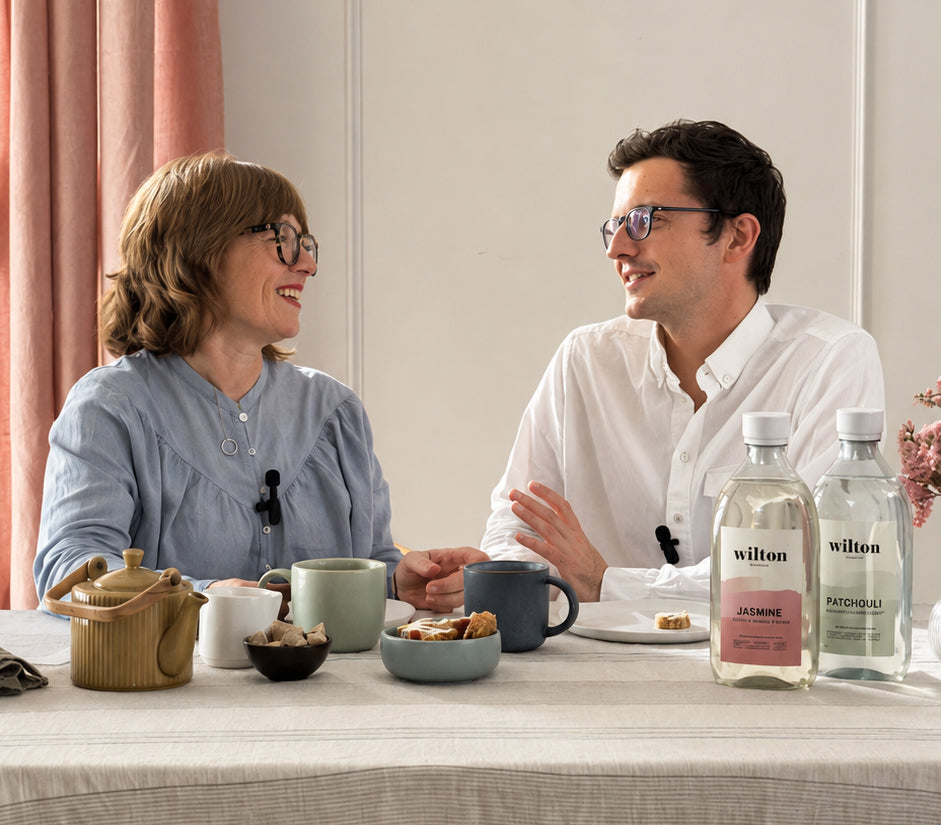
I want Wilton to prove you don't have to choose. You can look after your fabrics, be kinder to the planet, and still have your washing smell beautiful. Most people assume caring for their clothes and the environment means giving something up, usually the nice part or efficacy. We want to be the easy swap from the traditional brands, with no compromise on the experience. Get that right and the sustainable choice just becomes the one you'd want anyway.