What is a thread count?
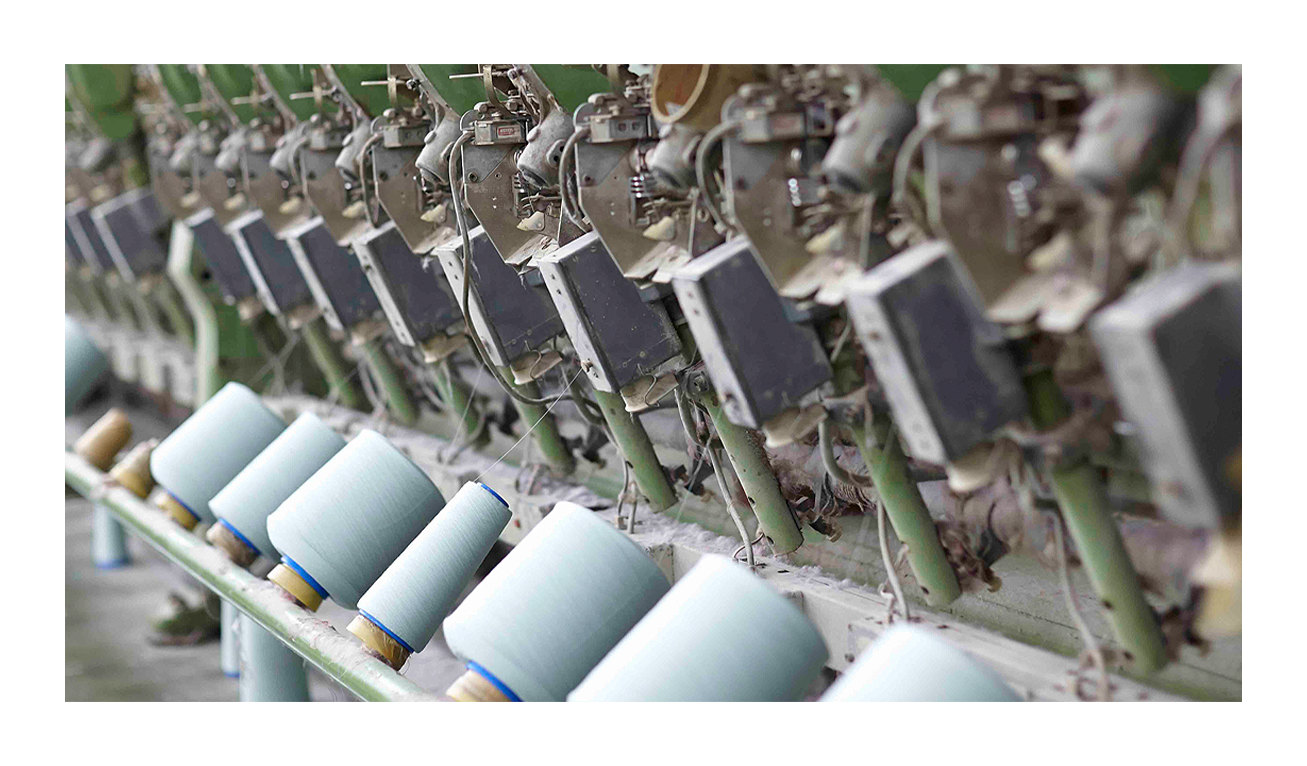
Before we can explain this, we need to understand how fabric is woven. There are two yarns needed to weave fabric, the warp and the weft. The warp is the vertical yarn, threaded onto the loom. It takes a whole day to do this at the factory, and if you could see it, you’d understand why. A lot of it is done by hand, and it is a work of art. The weft is the yarn woven through the warp from right to left. When we are weaving, we tend to use a different colour for the warp and weft to show off our designs.
So now we all know about warps and wefts, the thread count is simply the number of threads (warp and weft) in a square inch of fabric.
How important is thread count?
Setting out on our hunt for towels was easy and difficult all at the same time. Here’s why… I (Molly) have been making towels for other high street stores for many years, before Secret Linen Store was even an idea. This meant I knew exactly where to go for the best service, the most absorbent cotton towels, and a little bit of innovation. We wanted to bring you something new and different… but surely a towel is just a towel? Well, it turns out there's more to towels than meets the eye. There are all sorts of combinations of colours, twists, trims, patterns and weights.
When I wandered into the factory for the first time, I had a tick list of what we wanted our towels to be. We knew we wanted a collection that was super absorbent, soft and cosy. Heavy towels are a luxury, and if you’re looking for a super soft, thick towel they are exactly what you’ll need, but practically they’re bulky, take a long time to dry and use more energy to wash. As a busy mum, living in a small space, I also wanted to find lighter options that were still comfy, absorbent, great for washing, storing and drying, all while looking great in our bathrooms.
The weight of a towel is measured in gsm (grams per square metre). Towels can be made in any weight from 150gsm (very thin) up to 900gsm (extremely heavy). It is not just the weight of the towel that determines how absorbent it is. We need to take into account the quality and suitability of the cotton, along with the weaving. The quality of the cotton that’s used in a towel is vital for its longevity and absorbency. We use a long staple cotton yarn which is just as good quality as Egyptian cotton but without the price tag. Cotton is a natural fibre, and long staples are important for making soft and beautiful towels. The cotton that we use comes tried and tested. Made with love and care at our great factory in Portugal, who themselves have been making towels for over 50 years.
What is the best thread count for bed linen?
This is where it becomes trickier. See it would be simple if all yarns were created equal and therefore, the higher the count, the denser and more durable the fabric, and therefore the higher the quality. This is true in some sense, however, over the years, retailers have cottoned on to the fact that people expect higher thread counts to be the best, and have started to cheat by using lower quality, thinner yarns.
So the best thread count, we believe to be between 200 and 1000. With long staple (the longer the yarn, the better the quality), 100% cotton yarns, you can achieve a fabulous quality and feel at this level. Anything below 200 will look cheaper, feel rougher and you will be able to see the weave in the fabric.
What thread count is best for sheets?
When it comes to sheets, we would say that the higher you can afford to go, up to a 1000 thread count is the best option. Your sheets will have more wear and tear than your duvet cover, and the stronger the fabric, the longer it will last.
If you have any specific questions relating to thread counts, you can drop us a line at sales@secretlinenstore.com. Our team love to chat, and talking thread counts, cotton, feathers and fillings are our favourite.
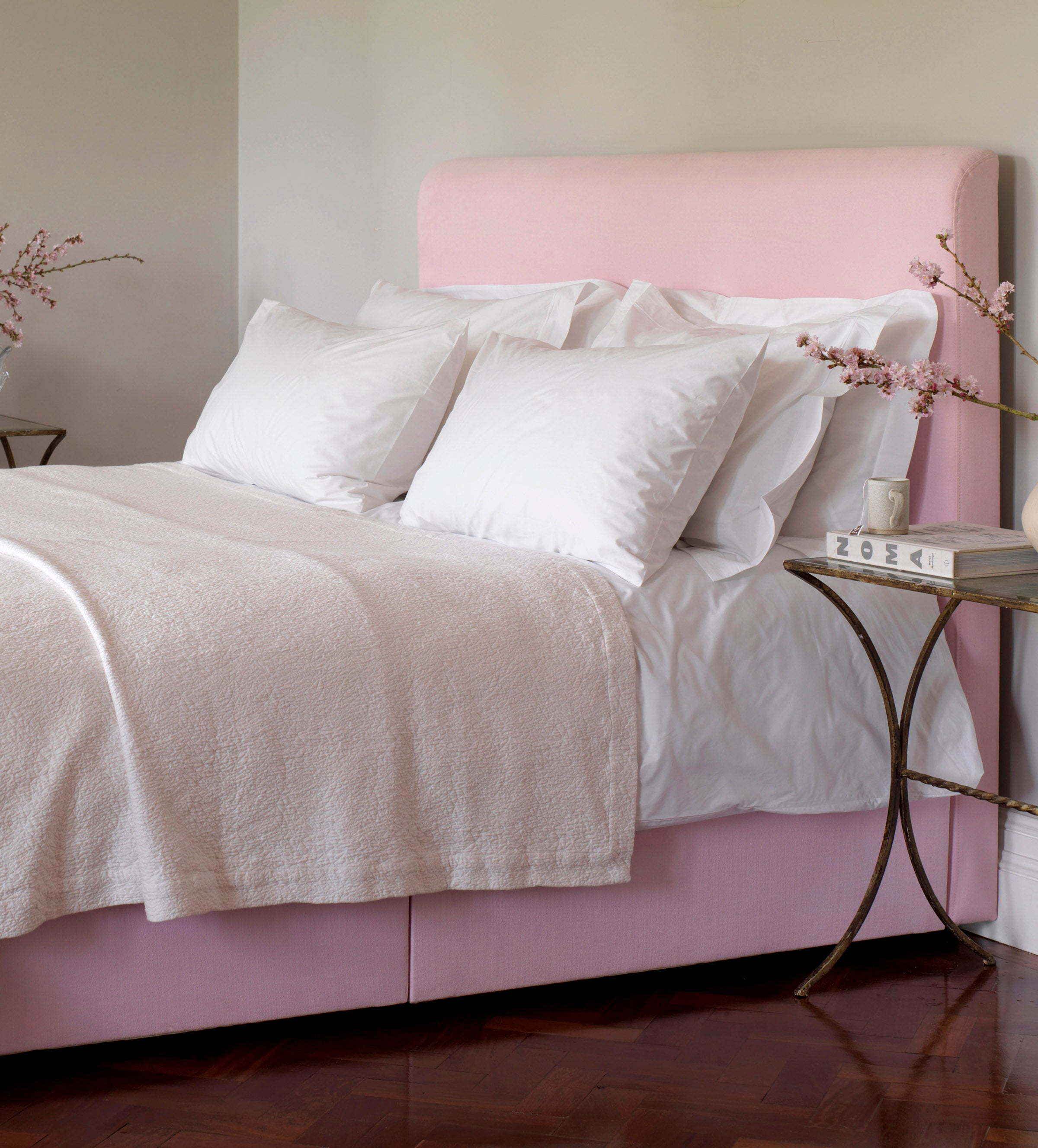
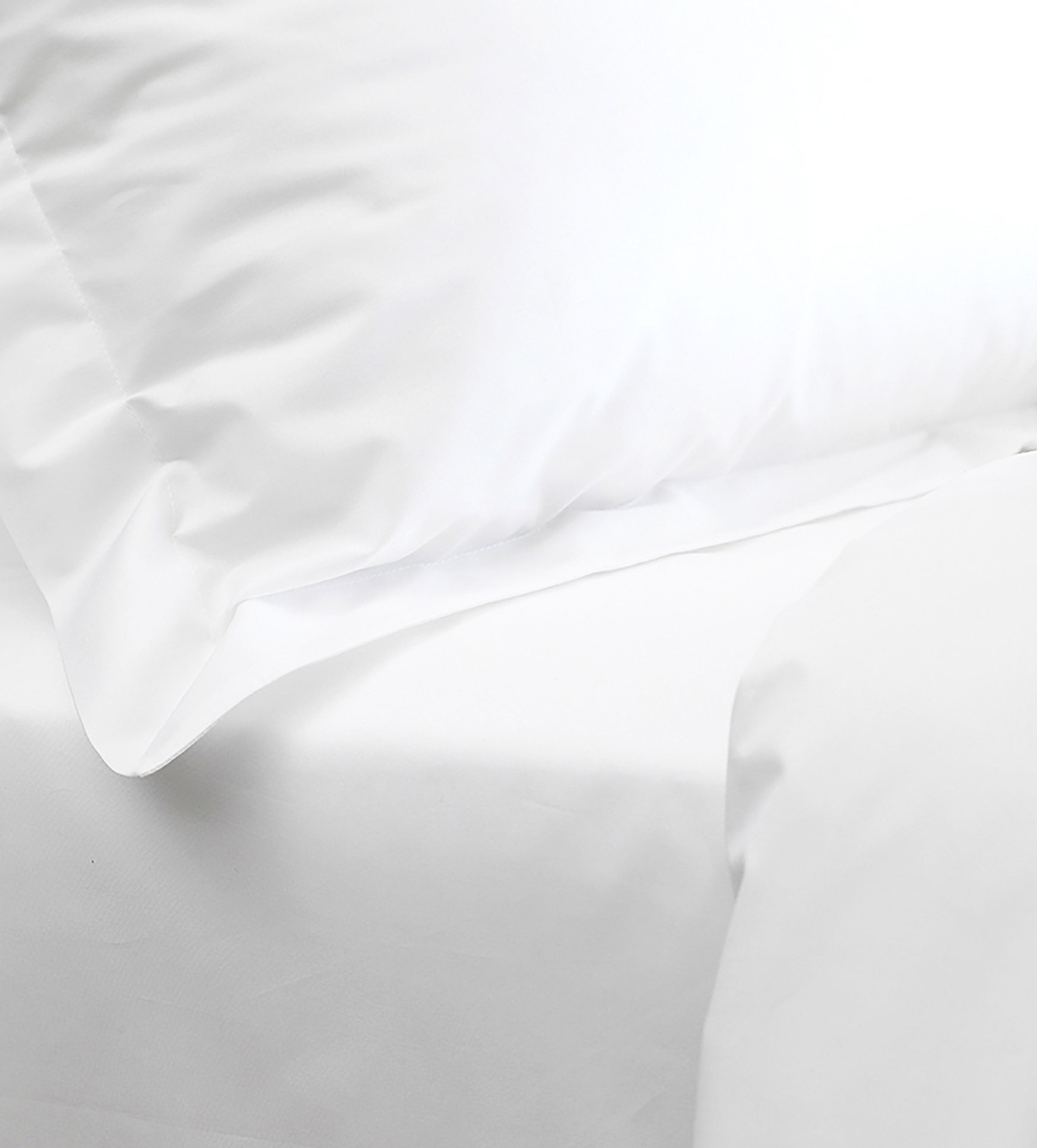
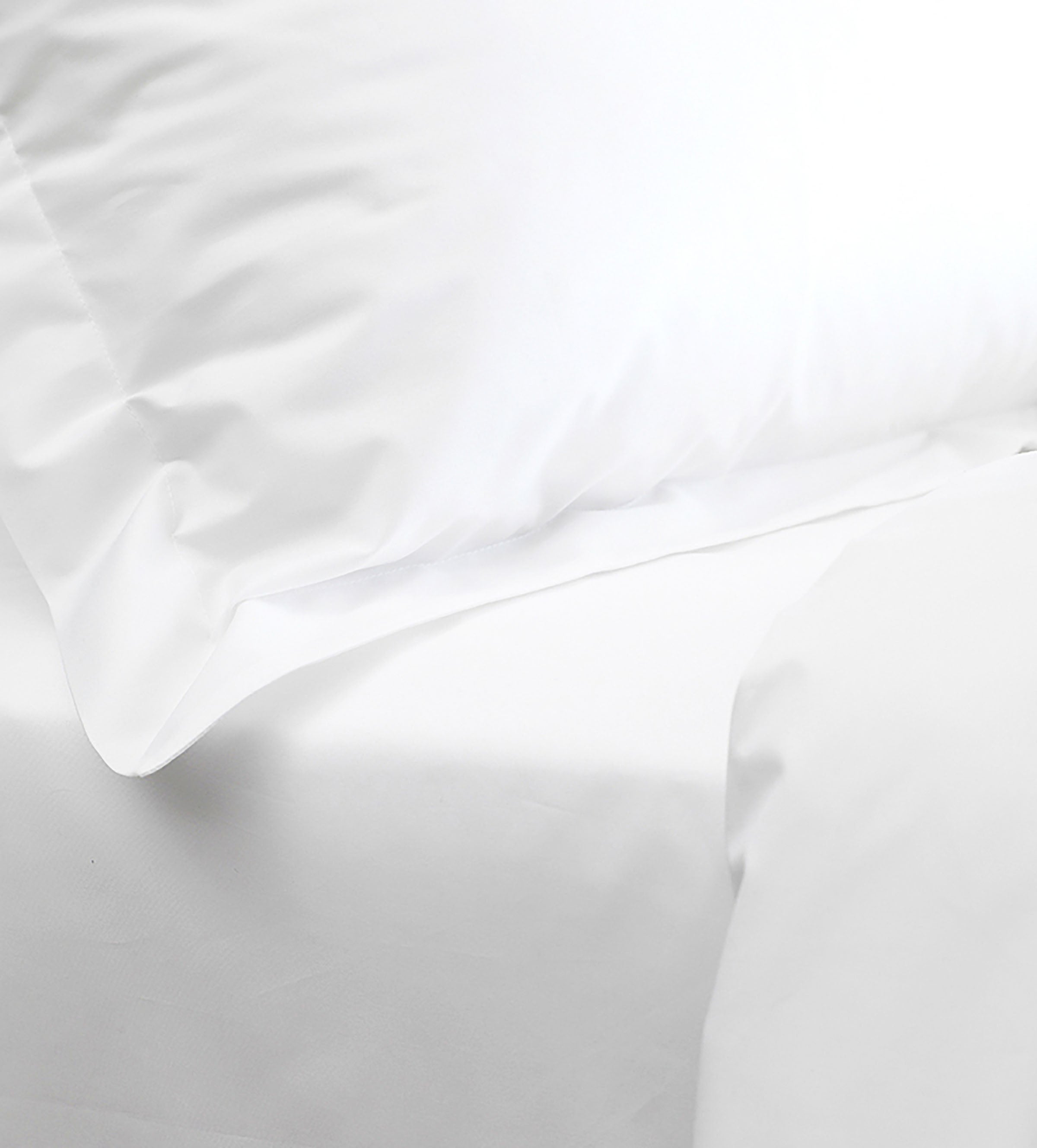
Our 200 Thread Count Bedding
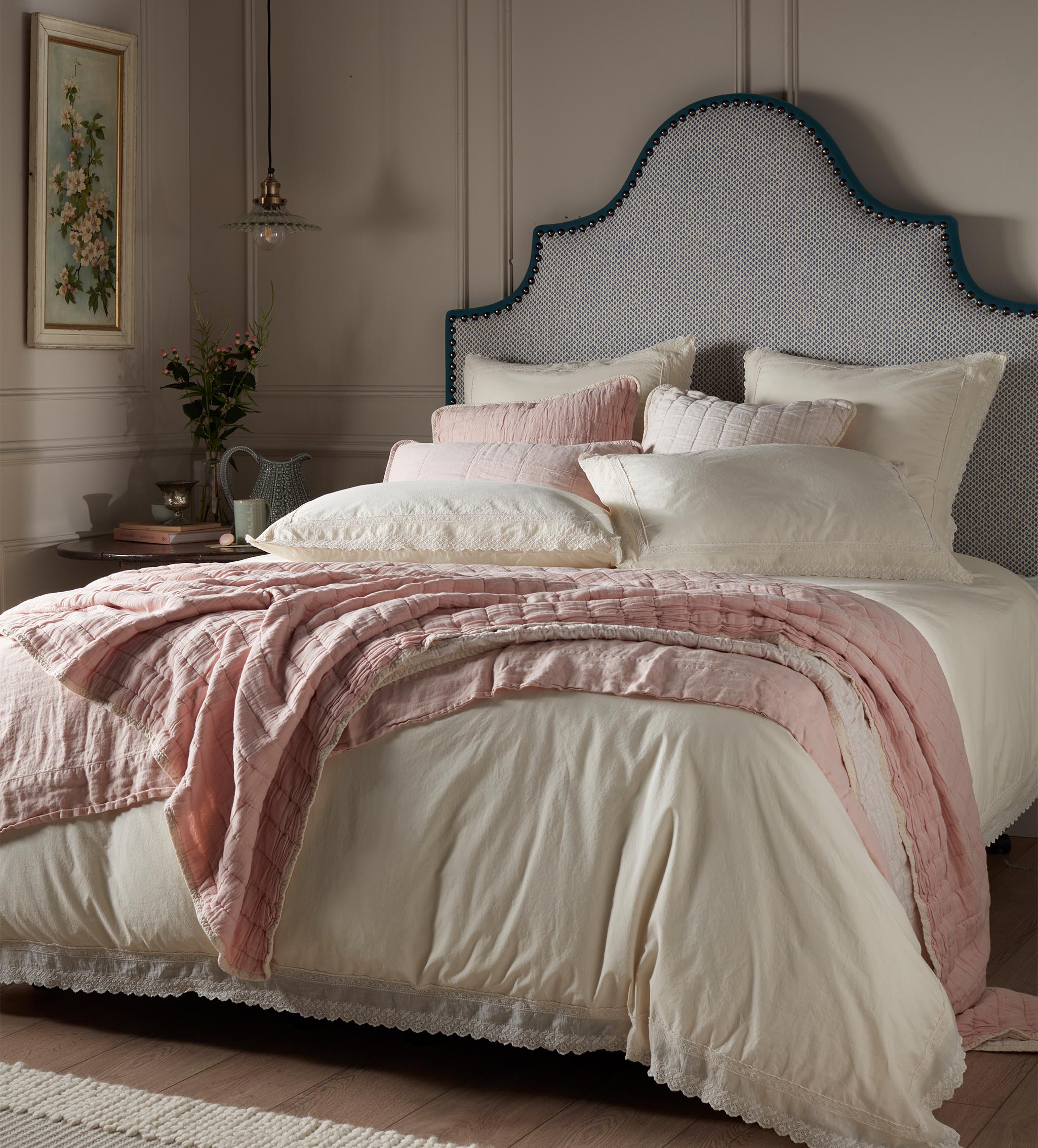
Our 300 Thread Count Bedding